
Why a Beautiful Home Can Still Feel Incomplete: The Hidden Design Decisions That Matter Most
I often meet homeowners who have invested beautifully in their homes — custom architecture, quality furnishings, meaningful art — yet they still tell me, “Something just doesn’t feel right.”
I often meet homeowners who have done so many things right. They’ve invested thoughtfully in their homes. They’ve selected beautiful furnishings, quality finishes, and often worked hard to create spaces they genuinely love. And yet, during our first conversation, I often hear some version of the same thing: “I can’t quite put my finger on it, but something still feels off.”
If you’ve ever felt this way about your home, you’re not alone. What many homeowners discover is that creating a truly elevated interior isn’t about purchasing more beautiful things. It’s about making intentional decisions that allow every element to work together seamlessly. Over the years, I’ve found that a few hidden design mistakes are often the reason a home feels unfinished, disconnected, or less refined than it should.

This gourmet kitchen once featured orange cabinetry, a bulky soffit above the island, and dated finishes throughout. Updated lighting and flooring, along with converting the desk area (far left) into a coffee bar, elevated the space.

The previous room was a catch all for this homeowner. Defining it as an office and adding this unique desk I found in Rehoboth Beach, sculptural art, book cases, a custom desk chair all helped to pull the room together.
1. The Pieces Are Beautiful — But They Aren’t Speaking to Each Other
This is one of the most common challenges I see. A homeowner may have invested in stunning individual pieces: a gorgeous sofa, statement lighting, beautiful occasional chairs, carefully selected accessories. Each piece is lovely on its own. But together, they don’t create harmony.
A well-designed room should feel layered and cohesive, with every element contributing to a larger visual conversation. Scale, proportion, texture, materiality, and silhouette all need to relate. When I begin working with clients, one of the first things I evaluate is how these pieces are interacting within the space. Sometimes the issue isn’t replacing everything. Often, it’s editing thoughtfully, rebalancing the room, or introducing just the right complimentary elements to create the cohesion that was missing all along. This kind of strategic refinement prevents costly trial-and-error purchases and ensures future investments are intentional.
2. The Scale Is Working Against the Space
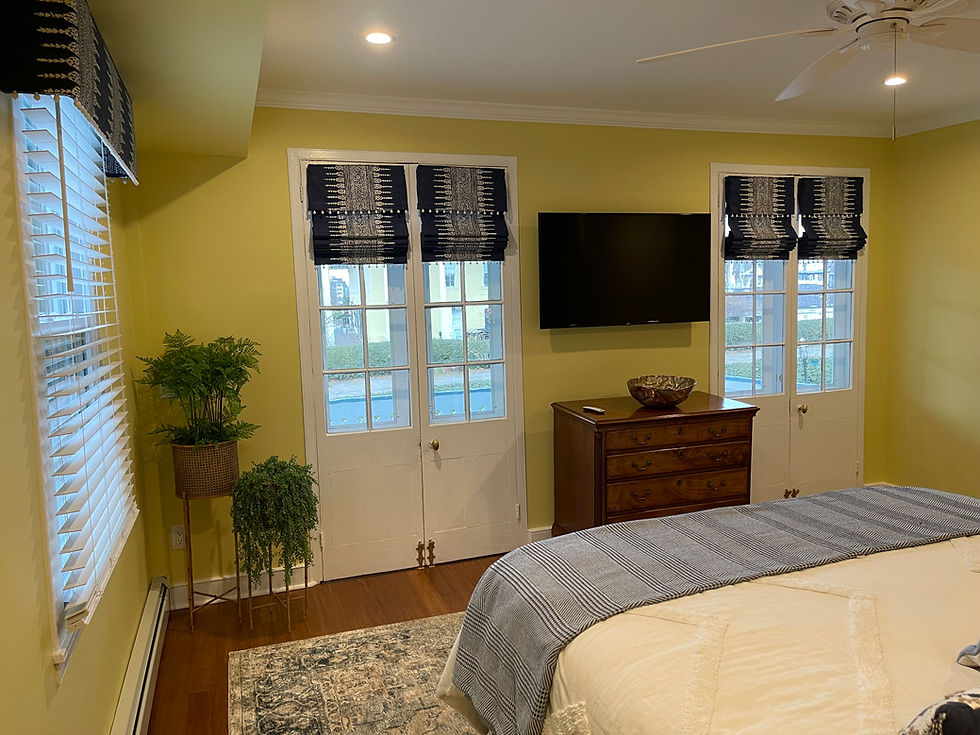
Even the most beautiful furnishings can feel wrong when scale is off. I see this often in larger homes, open-concept spaces, and rooms with soaring ceilings. A rug that’s too small can make an entire room feel disconnected. Lighting fixtures that lack presence can leave a dramatic architectural space feeling underwhelming. Furniture that’s undersized creates visual hesitation where there should be confidence. Scale is one of those subtle design elements people feel immediately, even if they can’t identify why. This is where experience matters.
I spend a great deal of time considering proportion — not just the measurements of individual pieces, but how they relate to the architecture, the ceiling height, the flow of the room, and the overall visual weight of the space. Getting this right transforms how a room feels.

3. Retail Convenience Has Replaced True Curation
We live in a time when beautiful furniture is more accessible than ever. And while that offers wonderful options, it can also lead to homes that feel curated from catalogs rather than thoughtfully composed. One of the greatest advantages I offer my clients is access. Through my trade relationships and sourcing network, I’m able to introduce furnishings, textiles, lighting, and accessories that simply aren’t available through traditional retail channels. This allows me to create interiors that feel personal, layered, and quietly distinctive. I believe a home should reflect the people who live there — not look like a beautifully replicated showroom. The right sourced piece often becomes the detail that elevates an entire room.

4. Decisions Are Being Made Without a Master Plan
This is where even thoughtful homeowners can unintentionally create expensive setbacks.
A chair is purchased because it feels perfect in the moment. Then a coffee table is selected months later. Then lighting. Then window treatments. Individually, each decision feels right. Collectively, they often lack cohesion.
When I start a project it begins with a conversation. Gaining a deep understanding of the clients design preferences is critical to the process and is the launching point for the project. Then I present an overview of my vision of the room using inspiration images that depict the feel I am going for.
From there the clients and I can begin to make specific selections.

I approach every project through a comprehensive design lens. Before selections are made, I’m considering how each decision supports the broader vision for the home — aesthetically, functionally, and financially. This prevents costly redesigns, duplicate purchases, and those frustrating moments when a beautiful piece simply doesn’t work as imagined.
5. The Home Looks Finished — But It Hasn’t Been Fully Considered
There is a meaningful difference between a room that is furnished and a room that is complete.
Completion lives in the details. The lighting temperature that flatters the finishes. The textile layering that softens the architecture. The accessories that add soul without clutter. The subtle balance between sophistication and comfort. These are often the finishing touches that homeowners struggle to articulate but immediately notice when they’re missing. This is where thoughtful design makes all the difference.

Great Design Is an Investment in How Your Home Lives
I believe exceptional design is never about excess. It’s about clarity. It’s about making thoughtful decisions, avoiding costly mistakes, and creating spaces that feel effortless, elevated, and deeply personal. The homes that feel most extraordinary are rarely the ones with the most expensive furnishings. They are the ones where every decision has been made with intention.
If your home is beautiful but still doesn’t feel fully realized, the answer may not be more.
It may simply be a more thoughtful design strategy.


Comments